

ORGANIZERS
Chair:
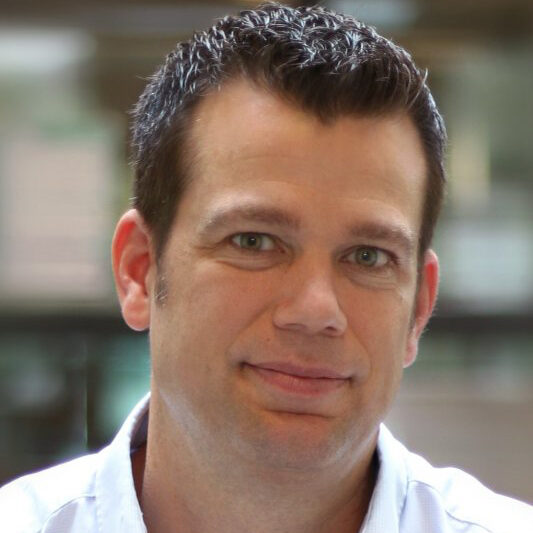
Brenner
The Brenner laboratory is strongly dedicated to cutting-edge research. As such, our group combines metabolic, molecular, cellular, and physiological approaches to unravel new ways to control immunity. Our vision is to develop new concepts for personalised medicine to mitigate inflammatory diseases through a mechanism-centered approach. As such, our group promotes a concept in which diseases are not treated based on symptoms, but on their mechanistic and individual cause. The immune system is crucial for a healthy body function and protects us from severe infection. However, dysregulated immunity can cause inflammation, autoimmune diseases and cancer. Specifically, the control of immune cell metabolism has emerged as a powerful way to regulate immunity. The Brenner laboratory investigates the metabolic regulation of the immune system and how this ensures a coordinated immune response and homeostasis. We seek to define the molecular, metabolic and cellular processes of inflammation and integrate in vitro with in vivo studies to gain a comprehensive picture of inflammation and cancer. A key aspect and focus of all our projects is the identification of novel metabolic checkpoints that influence the regulation of the immune system. One of these key circuits is the regulation of redox metabolism and reactive oxygen species (ROS) in immune cells. We investigate physiological consequences of ROS accumulation and their impact on immune cell function in health and disease.
Scientific Organizers:
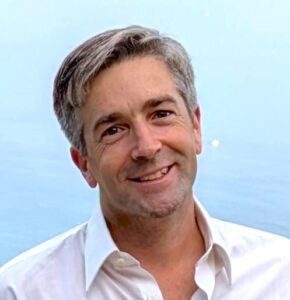
Argüello
Rafael J. Argüello,is a tenured Research Scientist (CRCN) at CNRS and a molecular immunologist at the Center for Immunology of Marseille-Luminy. He is inventor of SCENITH™, a patented single-cell method for functional metabolic profiling based on translational control, now widely adopted in immunology research. Trained in human immunology at the University of Buenos Aires, with postdoctoral work at CIML and UCSF, his research focuses on the integration and understanding of the interaction between immune metabolism, epigenetic regulation, and cellular dysfunction in cancer and inflammatory diseases. He has secured competitive national and european funding as PI and received, among other distinctions, the 2021 Society for Leukocyte Biology Diversity, Equality & Inclusion Paper of the Year award; and Emerging Leadership Program of the International Society for the Advancement of Cytometry (ISAC). Dr. Argüello is member of the non-profit Expedición Ciencia; co-founder and scientific advisor of GammaOmics and serves as Communications Workgroup Leader of the European ImmunoMetabolism Network.
den Bossche
During his PhD in the group of Prof. Jo Van Ginderachter at the VIB Myeloid Cell immunology Lab, in Brussels (Belgium) Jan Van den Bossche studied alternative macrophage activation. This work was funded by a personal FWO fellowship. Publishing 6 first-author articles allowed him to complete his PhD in 2011 (cum laude). As a postdoc in Prof. Menno de Winther’s group at Academic Medical Center in Amsterdam, Jan started on an epigenetics project and supported by two prestigious personal grants (Netherlands Heart foundation postdoc grant (2013) and NWO VENI (2014)), he quickly started an independent research line on macrophage immunometabolism.
Everts
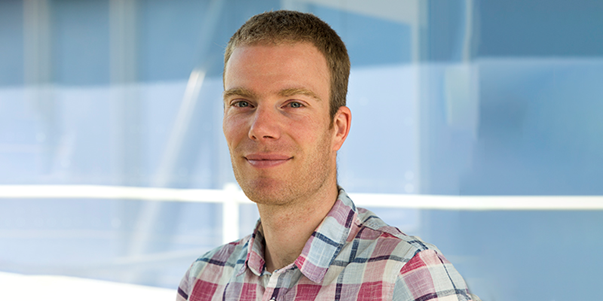
Dr. Bart Everts started his PhD at the department of Parasitology at the Leiden University Medical Center, studying the immunomodulatory effects of parasitic worms on dendritic cells (DCs). In 2010, he continued as a postdoctoral fellow to work in the emerging field of immunometabolism of DCs, in the group of Prof. Dr. E.J. Pearce at the School of Medicine of Washington University in the USA. In 2014, he returned to the LUMC, where he is now an associate professor. With his group he aims to unravel the metabolic underpinnings of the immunoregulatory functions of DCs and macrophages, to identify metabolic pathways that can be targeted to manipulate the functional properties of myeloid cells.
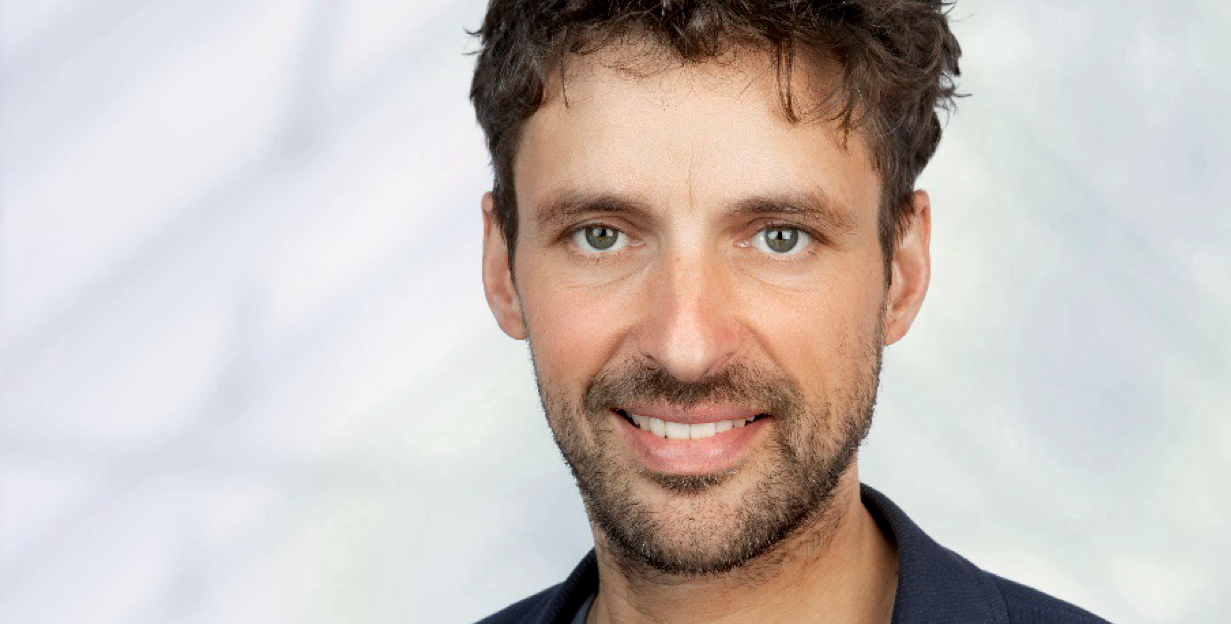
Cordes
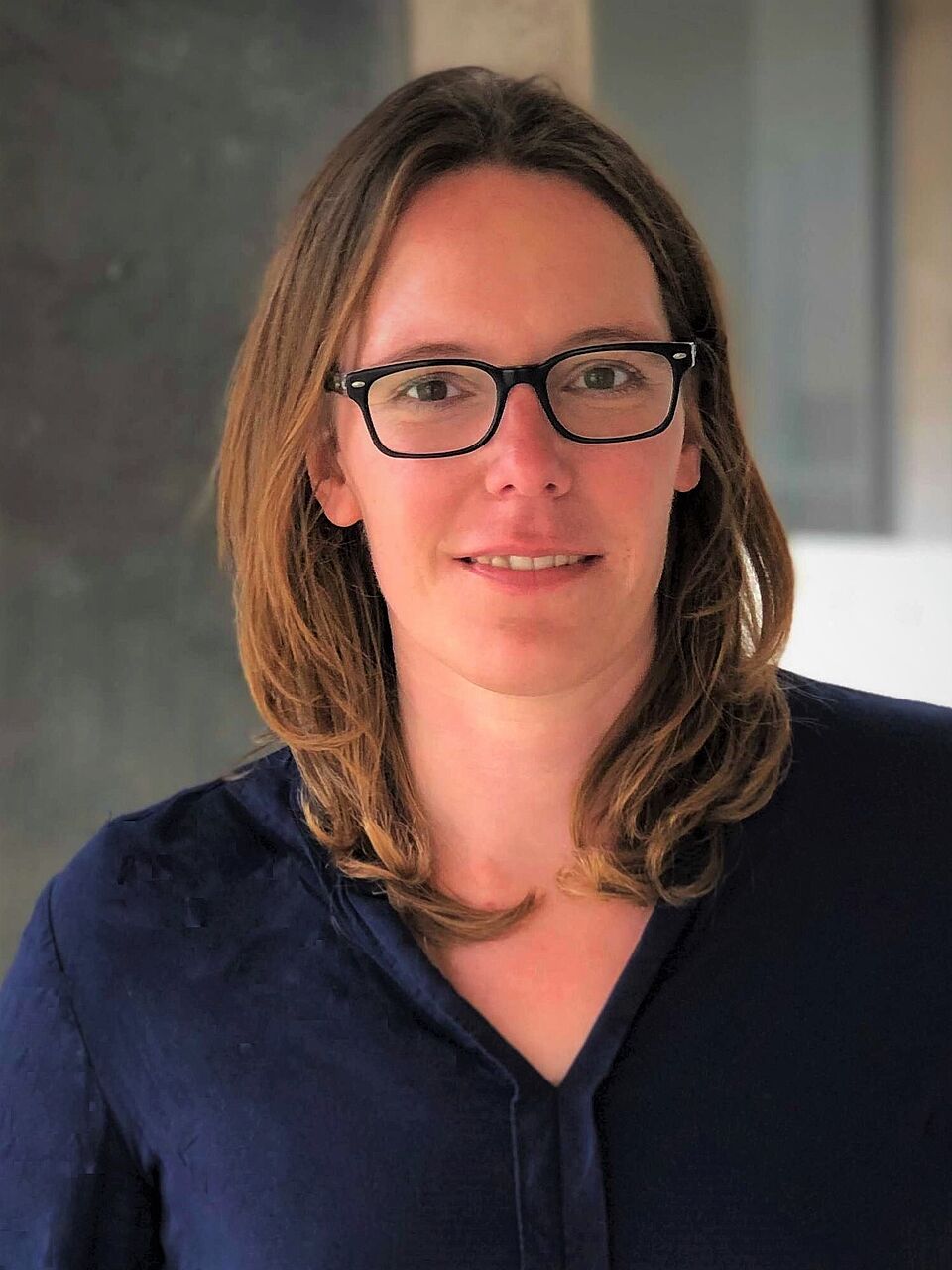
Thekla Cordes is a professor for Cellular Metabolism at the TU Braunschweig and HZI and applies mass spectrometry and tracing approaches to track metabolic pathways in mammalian cells. Taking this approach, her lab has made discoveries about how metabolism is reprogrammed in inflammation, cancer, and brain disorders. Cordes has an interdisciplinary and international training background that has spanned both industry and academic labs, covering metabolism, mass spectrometry, metabolic flux analysis strategies, and bioprocess engineering. At TU Braunschweig, her research will focus on identifying and exploiting metabolic vulnerabilities using mass spectrometry and tracing approaches to better understand metabolism in health and disease. Prior to joining TU Braunschweig, Cordes was a Project Scientist at the University of California, San Diego (UCSD) and SALK Institute for Biological Studies in La Jolla, US.