
SPEAKERS
O-Neil
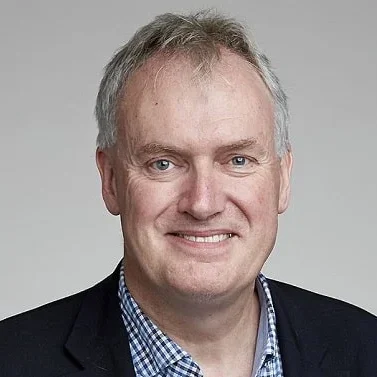
Luke O’Neill is a Professor of Biochemistry at Trinity College Dublin and a world expert in immunology and inflammation. His research focuses on the molecular basis of inflammation and innate immunity, leading to multiple drug development companies and a career marked by significant scientific and public communication awards. His notable achievements include being a Fellow of the Royal Society and a best-selling author, with his work impacting potential treatments for numerous diseases.

Rathmell
Jeffrey Rathmell, PhD, PhD, a pioneer in immune and cancer cell metabolism research, has been named Chair of the Ben May Department for Cancer Research and Director of the Ludwig Center for Metastasis Research at the University of Chicago, effective July 1, 2025. Rathmell joins UChicago from Vanderbilt University Medical Center, where he is the Cornelius Vanderbilt Professor of Immunobiology and Director of the Vanderbilt Center for Immunobiology. Over the past 25 years, his research has helped shape the field of immunometabolism and advance the understanding of the tumor microenvironment and immune system function. His work bridges genetics, signaling and metabolism in tumor immunology, autoimmunity and immune therapies to identify connections between obesity and cancer, discover new immunometabolic regulatory mechanisms, and decipher the impact of temperature and fever on metabolism and immunity.
Rathmell earned his PhD in immunology from Stanford University before completing a postdoctoral fellowship under Craig B. Thompson at UChicago and later at the University of Pennsylvania. He began his independent faculty career in 2003 at Duke University in the Department of Pharmacology and Cancer Biology, where he also served as Director of Graduate Studies for Pharmacology.
In 2015, Rathmell joined Vanderbilt as the founding director of the Vanderbilt Center for Immunobiology and research program co-leader for the Host-Tumor Interactions Program of the Vanderbilt-Ingram Cancer Center. During his tenure, he spearheaded initiatives to strengthen basic science immunology education, expand faculty recruitment, and develop team-science projects that led to collaborations and new research platforms in human immunogenetics and the intersection of obesity and cancer.
The Ben May Department for Cancer Research, founded in 1951 with support from philanthropist Ben May, has a long-standing legacy of groundbreaking discoveries in cancer biology. The work done by the collection of laboratories within the department has advanced cancer treatment by uncovering fundamental biological mechanisms and translating them into innovative therapies. The Ludwig Center at UChicago, part of the Ludwig Institute for Cancer Research network and linked to the UCCCC, is dedicated to understanding and combating cancer through pioneering research in tumor biology, immunology, and precision medicine.
Rathmell succeeds Geoffrey Greene, PhD, who has been chair the department since 2013 after serving as vice chair since 2000. Under Greene’s leadership, the department expanded its faculty and research focus to encompass cancer metabolism, immuno-oncology, and genetic alterations that promote cancer. A leading expert in hormone-dependent breast cancer, Greene joined UChicago in 1974 as a postdoctoral researcher in the lab of Dr. Elwood Jensen before joining the faculty in 1980. He previously served as chair of the Committee on Cancer Biology graduate program and as Associate Director of Basic Sciences in the Comprehensive Cancer Center. Greene will continue his research on breast cancer therapeutics.
The Rathmell lab aims to identify how metabolic pathways and nutrient microenvironments regulate lymphocyte metabolism, differentiation, and function. The activation of T lymphocytes remodels cell metabolism to support cell growth, proliferation, and signaling essential for effector differentiation and function. The field of immunometabolism explores mechanisms of this metabolic reprogramming and how metabolic pathways influence immune cell fate and function. The Rathmell lab uses genetic and metabolic techniques to discover mechanisms how (1) obesity affects cancer immunotherapy and (2) inflammatory microenvironments shape immune cell metabolism.
Linster
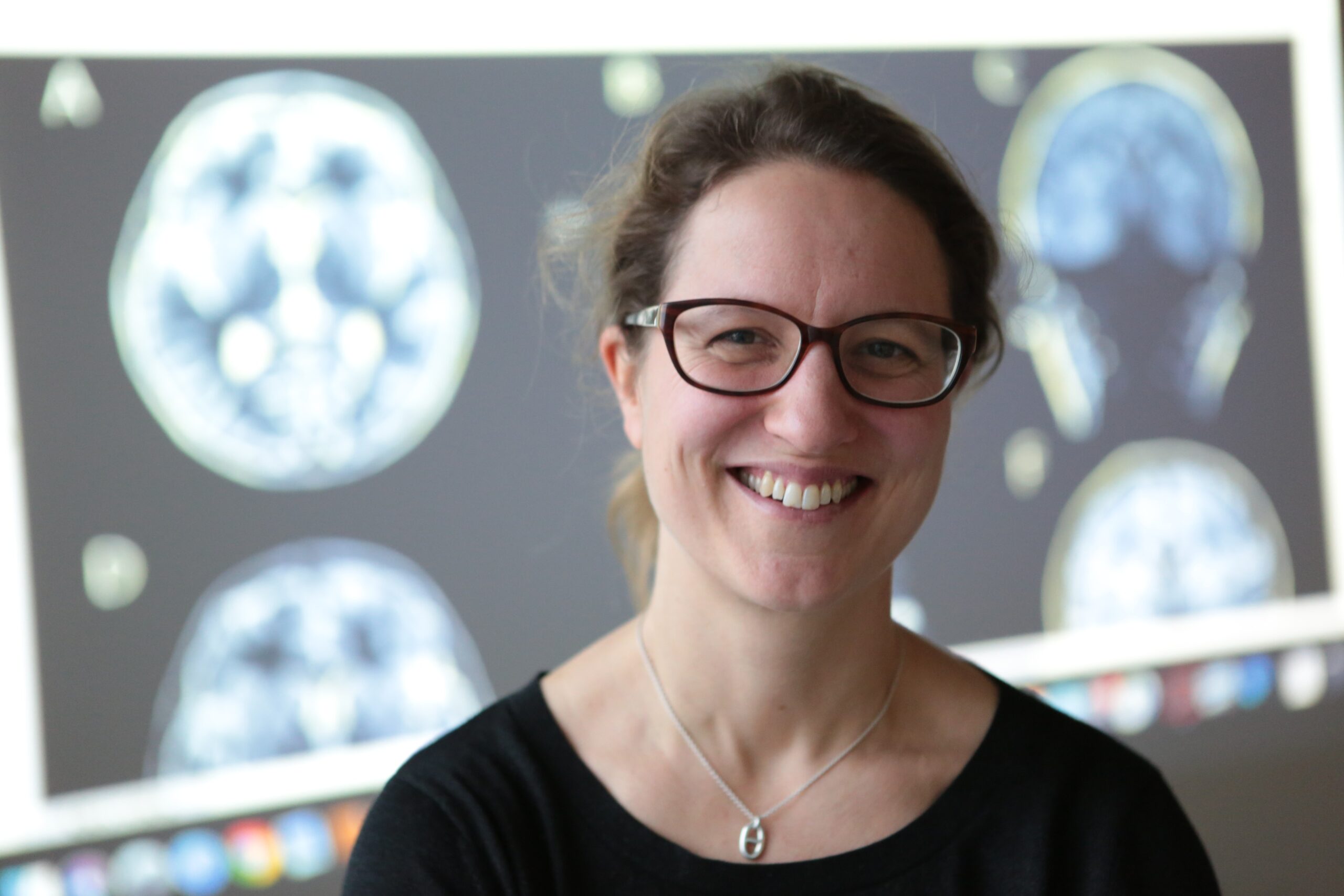
Carole Linster is a Full Professor at the University of Luxembourg and leads the Enzymology & Metabolism Group at the Luxembourg Centre for Systems Biomedicine (LCSB). Her research combines classical biochemistry with metabolomics to uncover new enzyme functions in cellular metabolism, with a particular focus on metabolite damage-and-repair pathways and inherited metabolic disorders. Together with her colleagues, she discovered multiple novel metabolite repair enzymes and identified a rare pediatric neurodegenerative disease caused by NAXD deficiency. Her group integrates mechanistic enzymology with disease modeling in yeast, human cells, and zebrafish to dissect disease mechanisms and explore therapeutic strategies, highlighting how metabolomics can bridge molecular understanding with translational opportunities in human health.
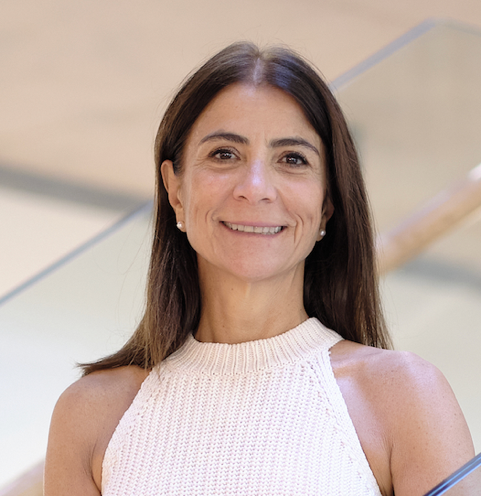
Mauri
Professor Claudia Mauri is Professor of Immunology, UCL Birkbeck MRC DTP Theme Director – Experimental and Personalised Medicine UCL Institute of Immunity & Transplantation, UCL School of Life and Medical Sciences. She obtained a PhD in microbiology from the University of Rome La Sapienza, Italy, in 1990. Following postdoctoral studies in London at The Kennedy Institute of Rheumatology and Imperial College, she moved to UCL in 2002 where she established her group. Prof Mauri is internationally recognized immunologist known for the discovery of a novel B cell subset, regulatory B cells (Bregs), which curtails inflammatory responses via the production of the immunosuppressive cytokine Interleukin-10 in healthy individuals.
One key aspect of her innovative work was the discovery that Bregs are numerically and functionally defective in patients with rheumatic diseases and that long-term response to B cell depletion therapy in autoimmune patients, including those with systemic lupus erythematosus is associated with a restoration of Breg suppressive function. This discovery challenged the existing dogma that B cells exist purely as antibody-factories and that in autoimmunity, transplantation and cancer B cells are solely pathogenic paving the way to novel strategies that selectively target antibody-producing rather than the entirety of B cells. Her recent discovery showed that signals from the gut-microbiota control the differentiation of Bregs via the production of low-grade inflammatory signals, microbiota-derived metabolites and gut-hormones such as serotonin, illustrating the intimate connection between gut health and immunosuppressive B cell function. She is continuing to unravel how alterations in gut health contribute to inflammation in distal organs and has recently discovered that patients with rheumatoid arthritis (RA) have increased gut permeability and that therapeutic approaches that aim to restore gut-permeability and gut-homeostasis suppress joints inflammation. Claudia is part of many national and international government funding bodies committees and has received several national and international awards. Claudia is an elected fellow of The Academy of Medical Science and elected member of the Kunkel Society at the Rockefeller Institute in New York amongst others.
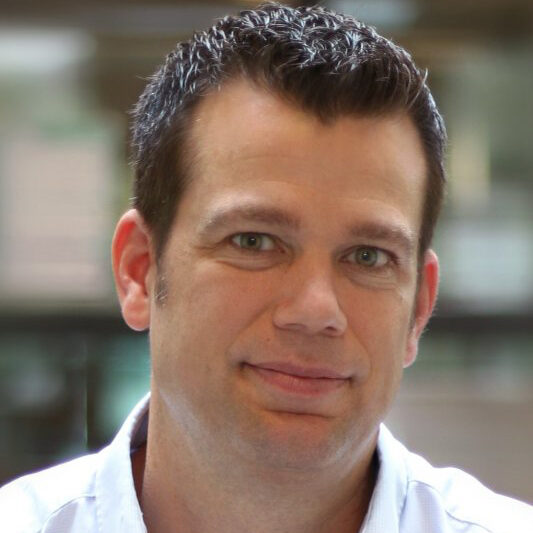
Brenner
The Brenner laboratory is strongly dedicated to cutting-edge research. As such, our group combines metabolic, molecular, cellular, and physiological approaches to unravel new ways to control immunity. Our vision is to develop new concepts for personalized medicine to mitigate inflammatory diseases through a mechanism-centered approach. As such, our group promotes a concept in which diseases are not treated based on symptoms, but on their mechanistic and individual cause. The immune system is crucial for a healthy body function and protects us from severe infection. However, dysregulated immunity can cause inflammation, autoimmune diseases and cancer. Specifically, the control of immune cell metabolism has emerged as a powerful way to regulate immunity. The Brenner laboratory investigates the metabolic regulation of the immune system and how this ensures a coordinated immune response and homeostasis. We seek to define the molecular, metabolic and cellular processes of inflammation and integrate in vitro with in vivo studies to gain a comprehensive picture of inflammation and cancer. A key aspect and focus of all our projects is the identification of novel metabolic checkpoints that influence the regulation of the immune system. One of these key circuits is the regulation of redox metabolism and reactive oxygen species (ROS) in immune cells. We investigate physiological consequences of ROS accumulation and their impact on immune cell function in health and disease.
Heneka
Michael Heneka is a board-certified neurologist and clinician-scientist with a >30 years of track record in studying neurodegenerative disease at the experimental, preclinical and clinical level. He has a long-standing interest in immunology and neuroscience. While the main focus of his work is related to dementia and Alzheimer’s disease, he has also been working on Amyotrophic Lateral Sclerosis and Parkinson’s disease. To date he has published about 380 peer-reviewed manuscripts. At the clinical level he has established a neurodegenerative outpatient unit at both the University of Münster and of Bonn. From 2016 to 2021, he led the department of Neurodegenerative Disease and Geriatric Psychiatry at the University of Bonn and the Neuroinflammation Research group at the German Centre for Neurodegenerative Disease (DZNE). Since January 2022 onwards he acts as the Director of the Luxembourg Centre of Systems Biomedicine at the University of Luxembourg.
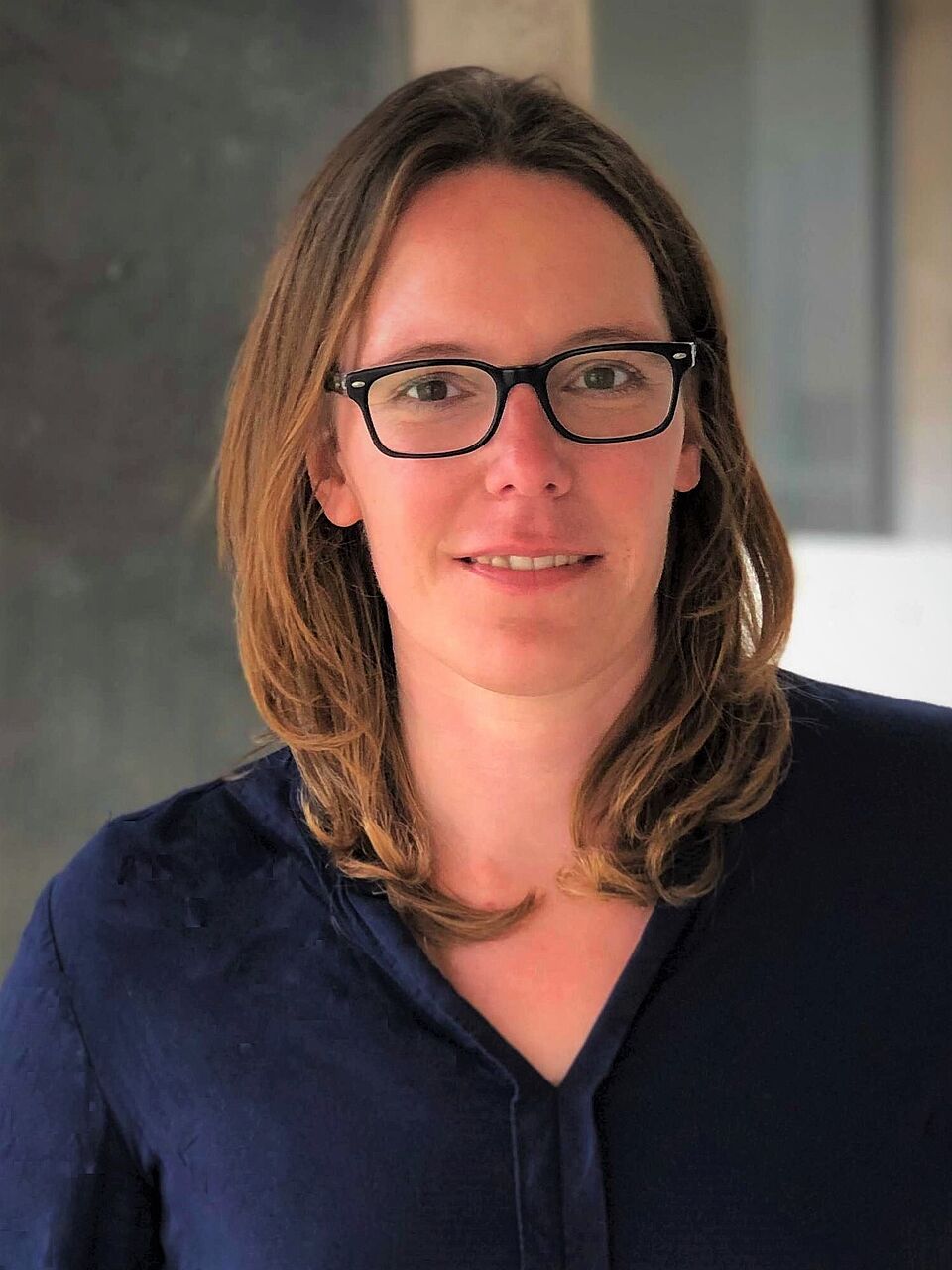
Cordes
Thekla Cordes is a professor of Cellular Metabolism at the Braunschweig University and Helmholtz Centre for Infection Research (HZI) and applies mass spectrometry and tracing approaches to track metabolic pathways in mammalian cells. Taking this approach, her lab has made discoveries about how metabolism is reprogrammed in inflammation, cancer, and brain disorders. Cordes has an interdisciplinary and international training background that has spanned both industry and academic labs, covering metabolism, mass spectrometry, metabolic flux analysis strategies, and bioprocess engineering. At Braunschweig University, her research focuses on identifying and exploiting metabolic vulnerabilities using mass spectrometry and tracing approaches to better understand metabolism in health and disease. Prior to joining TU Braunschweig, Cordes was an NIH/NCI-awarded Research Specialist at the University of California, San Diego (UCSD) and SALK Institute for Biological Studies in La Jolla, US.
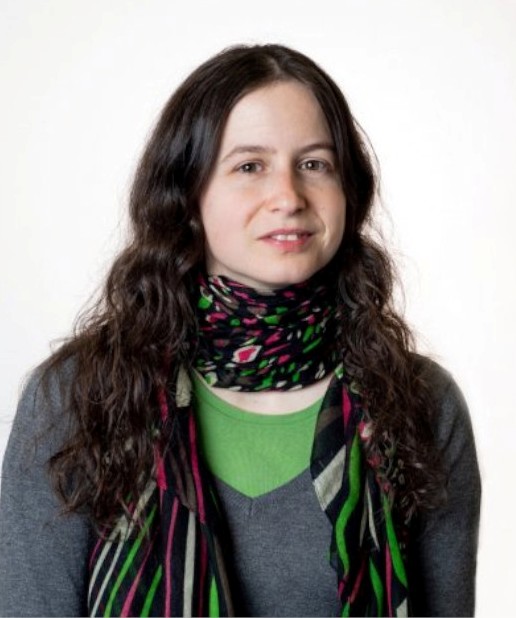
Wculek
Stefanie K. Wculek studied Molecular Biology at the University of Vienna and completed her Master’s thesis on the mechanisms of skin inflammation in 2011. Then, she investigated the role of neutrophils in cancer at Cancer Research UK/The Francis CRICK Institute and obtained her PhD from the University College London in 2016. In her postdoctoral work at the Spanish National Center for Cardiovascular Research (CNIC) in Madrid, Stefanie specialized on the biology and metabolism of macrophages and dendritic cells in homeostasis and chronic diseases such as cancer and obesity. In February 2023, Stefanie joined the IRB Barcelona “Aging and Metabolism” research program as Junior Group Leader to head the Innate Immune Biology laboratory.
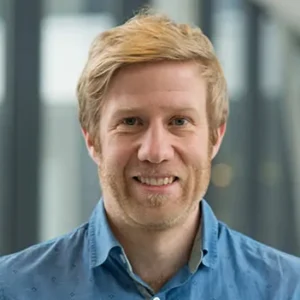
Wilhelm
Christoph Wilhelm has long-term interest in studying mucosal immunology, innate lymphoid cells and immunometabolism. His scientific focus is to understand how immune cells protect the body’s barrier sites such as the lung and gut and to understand how exogenous and endogenous metabolites control barrier immunity in health and disease. The overall aim of this research is to understand the metabolic, nutritional and physiological consequences of westernization on protective immunity and immune-mediated pathologies.
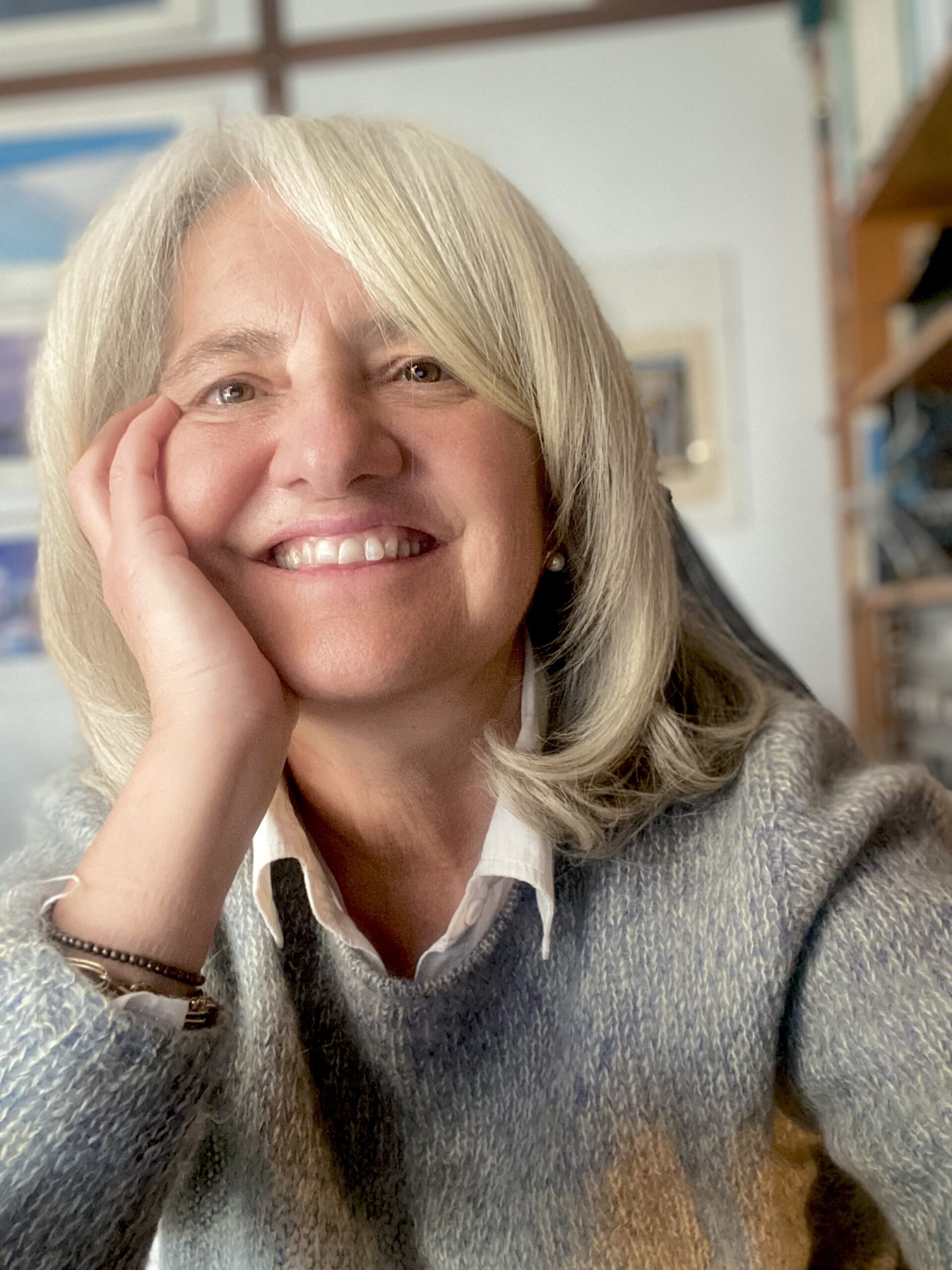
Matteoli
Michela Matteoli is Full Professor of Pharmacology at Humanitas University and Director of the Neuroscience program at Humanitas Research Hospital, Milano. For the last 8 years she has been Director of the Italian CNR Neuroscience Institute. She is a member of the European Molecular Biology Organization (EMBO), Academia Europaea and the Accademia Nazionale dei Lincei, the oldest European academy. She serves/served in several international scientific committees, including the European Research Council (ERC), the Swiss National Science Foundation (SNSF), and the Harvard-Armenise Foundation. M. Matteoli has received various prizes, including the Mid-Career Mentoring Award by the magazine Nature, the Atena prize, the Feltrinelli prize for Physiology, Biochemistry and Pharmacology and the Marcello Sgarlata prize for scientific merits. She was also awarded with the Porto Venere prize for social contribution through scientific dissemination. Her research activity focuses on the role played by the immune system on the formation and function of brain circuits. She authored about 180 papers, her H-index is 81 (Scholar). In 2022 she obtained the ERC Advanced Grant.
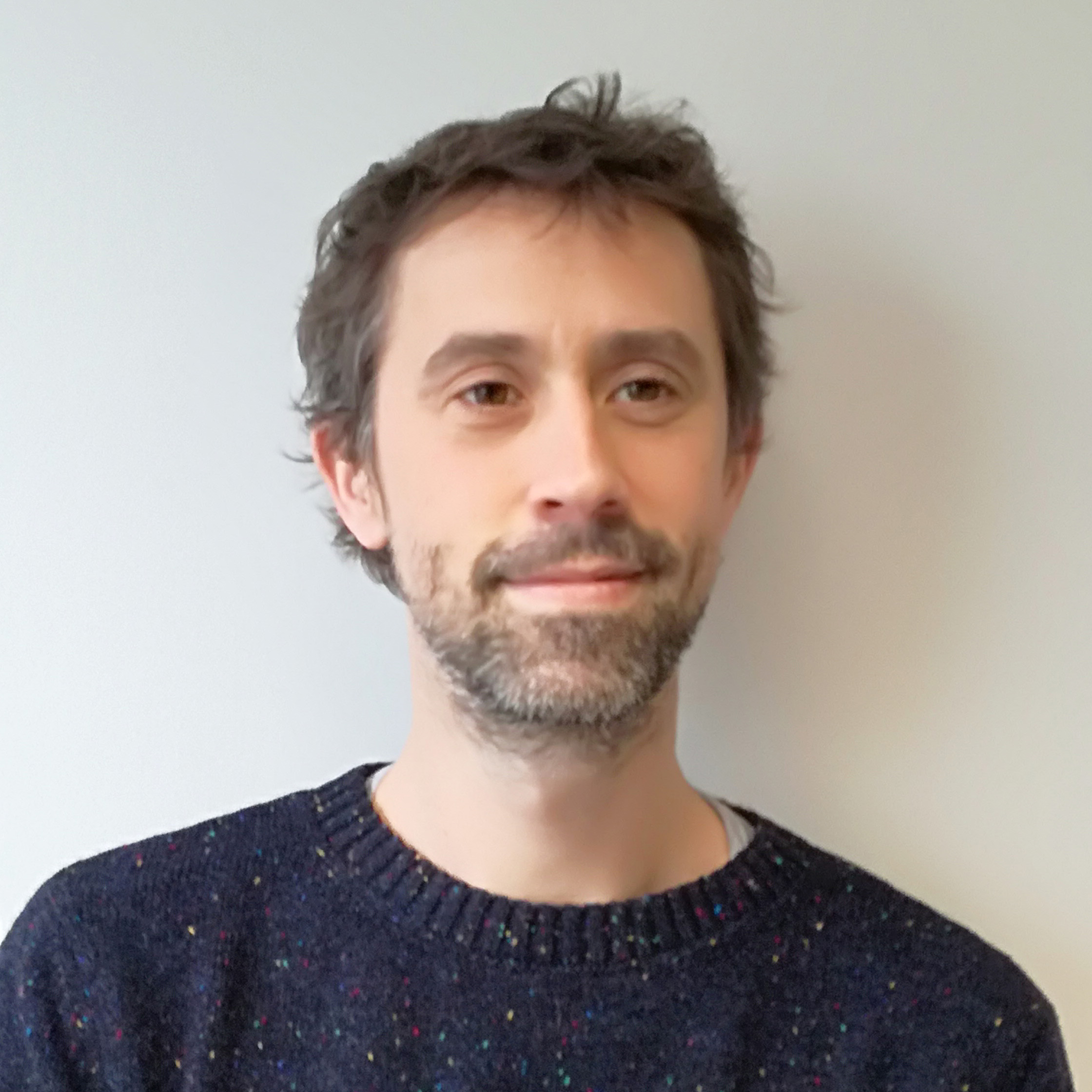
Garaude
Johan Garaude got his Ph.D. in Moleclular Endocrinology in 2007 from the University of Montpellier, France, for his work on mitogen-activated protein kinases (MAPK) and activating-protein 1 (AP-1) in leukemogenesis and T cell activation under the supervision of Dr. Martin Villalba. In 2008, he joined the laboratory of Dr. Julie Magarian Blander at the Mount Sinai School of Medicine inNew York where he investigated how a dual ligand for innate immune receptors can be used to generate potent antitumor immune responses and contributed to establish that the sensing of infected apoptotic cell by dendritic cells is a natural inducer of TH17 cell differentiation. In 2011, he got a permanent position (Chargé de Recherche) at INSERM, France, and started investigating the metabolic adaptations and mitochondrial biology in innate immune cells and how this contributes to antimicrobial responses. The same year he started as a visiting scientist at CNIC (Centro Nacional de Investigaciones Cardiovasculares) in Madrid, Spain. In 2017, he moved back to France, in Bordeaux and joined the MRGM (Maladies Rares: Génétique et Métabolisme, INSERM U1211). He now continues to investigate the metabolism of host-pathogen interactions at ImmunoConcEpT (University of Bordeaux, CNRS 5164, INSERM 1303) in Bordeaux.
Argüello
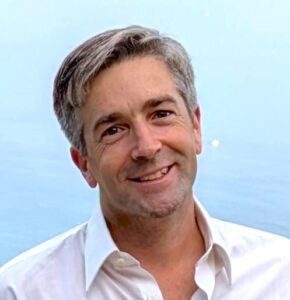
Rafael J. Argüello,is a tenured Research Scientist (CRCN) at CNRS and a molecular immunologist at the Center for Immunology of Marseille-Luminy. He is inventor of SCENITH™, a patented single-cell method for functional metabolic profiling based on translational control, now widely adopted in immunology research. Trained in human immunology at the University of Buenos Aires, with postdoctoral work at CIML and UCSF, his research focuses on the integration and understanding of the interaction between immune metabolism, epigenetic regulation, and cellular dysfunction in cancer and inflammatory diseases. He has secured competitive national and european funding as PI and received, among other distinctions, the 2021 Society for Leukocyte Biology Diversity, Equality & Inclusion Paper of the Year award; and Emerging Leadership Program of the International Society for the Advancement of Cytometry (ISAC). Dr. Argüello is member of the non-profit Expedición Ciencia; co-founder and scientific advisor of GammaOmics and serves as Communications Workgroup Leader of the European ImmunoMetabolism Network.

Wensveen
Felix Wensveen received his training as a T cell immunologist at the University of Amsterdam, The Netherlands, in the laboratory of René van Lier. After obtaining his PhD in 2010, he moved to Rijeka, Croatia, to pursue postdoctoral research in the group of Bojan Polić. In 2012, he expanded his research interests to explore the role of immune cells in the development of metabolic diseases, including type 2 diabetes mellitus. In 2015, he established his own research group. He is currently a full professor at the Faculty of Medicine, University of Rijeka.
The research focus of his team is twofold. One part of the group investigates fundamental aspects of CD8⁺ T cell biology, with particular emphasis on memory formation. The other part examines how immune system activation shapes systemic metabolism, both in the context of viral infection and metabolic disease.
Desler Madsen
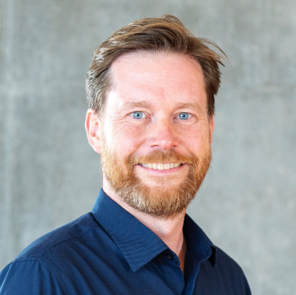
Claus Desler Madsen is an Associate Professor and group leader at the Department of Biomedical Sciences (BMI), University of Copenhagen, where he leads research at the intersection of molecular aging, mitochondrial biology, senescence, and immunometabolism. His overarching aim is to understand how bioenergetic and stress-response programs in immune and somatic cells drive persistent inflammation, tissue dysfunction, and cardiometabolic disease risk across the lifespan and in the aftermath of major infectious insults.
His group integrates mechanistic experimentation with human translational approaches. On the experimental side, they use immune-cell models and organ-relevant systems, including advanced cell culture formats and 3D models, combined with functional bioenergetic readouts and high-dimensional molecular profiling. On the translational side, they leverage multi-omics platforms and cohort/registry-linked biobank resources to identify circulating and cellular biomarkers of organ aging and disease trajectories, with the goal of stratification and mechanistically informed intervention targets.

Hortová Kohoutková
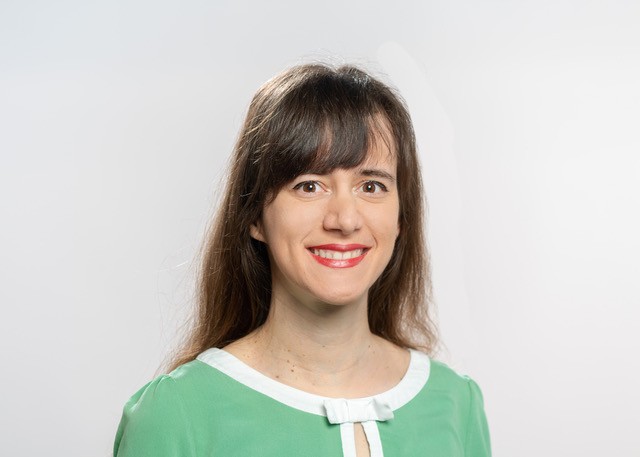
Marcela is currently working as Principal Investigator in the Cellular and Molecular Immunoregulation team (@FricLab) at International Clinical Research Center FNUSA-ICRC (@FNUSA_ICRC) in Brno, Czech Republic. She obtained her PhD in 2020. Marcela is a researcher with great experience in the field of translation immunology and inflammation, especially in the biology of innate immune cells and their contribution to serious septic shock. Marcela’s current research focuses on understanding the immune system’s role in sepsis progression, its long-lasting consequences, and how metabolic reprogramming of immune cells impacts the pathophysiology of sepsis. Together with Jan Frič, Marcela established European consortium BEATsepsis (www.beatsepsis.eu), which investigates the various aspects of immune system in sepsis. This consortium was awarded by Horizon Europe grant, Research and Innovation Action (RIA) to tackle long-term consequences of sepsis.
Jellusova
I have studied biology and received my PhD from the Friedrich Alexander University Erlangen-Nuremberg. Between 2010 and 2015, I worked as a postdoctoral fellow at Sanford Burnham Prebys Medical Discovery Institute in La Jolla, USA. At the end of 2015, I joined the Albert Ludwigs University in Freiburg, Germany, as a junior group leader, working on my habilitation with the support of a Margarete von Wrangell Fellowship. In 2021, I was appointed as a tenure track professor at the University Hospital of the Technical University of Munich and focus my research on signal transduction and cell metabolism of B lymphocytes. The overarching goal of my research is to elucidate the integration of signaling and metabolism in B cells. We seek to analyze how B cells respond to metabolic stress, which metabolic pathways support B cell survival and function and which intracellular signaling cascades regulate these processes both in the normal and diseased state. Since 2023 I’m the speaker of the research unit FOR5560 “Crosstalk between B cell metabolisma and signaling” funded by the German Research Foundation.